

Quick Summary
Sedation dentistry uses medication to help patients relax during dental procedures. This article explains the different types, who tends to benefit most, and what to expect if you decide it is right for you.
Dental anxiety is more common than most people realize, and it keeps a significant number of adults from getting the care they need. Some patients have had difficult experiences in the past. Others simply struggle with the sounds, sensations, or anticipation of dental procedures. Sedation dentistry was developed specifically to address this, making it possible for more people to receive treatment comfortably.
If the question “What is sedation dentistry?” has crossed your mind, here is a straightforward look at what it involves.
Understanding Sedation Dentistry
Dental anxiety is far more common than many people realize, and it is one of the main reasons adults delay or avoid necessary care.
Some individuals have had previous negative experiences, while others feel uneasy due to the sounds, sensations, or anticipation associated with treatment. Sedation dentistry was developed to address these concerns by creating a more relaxed and manageable experience in the dental chair.
For patients wondering “What is sedation dentistry,” it refers to a range of techniques that reduce anxiety and increase comfort while still allowing dental care to be completed effectively. In most cases, patients remain conscious but significantly more relaxed throughout the procedure.
Types of Sedation Used in Dentistry
Sedation dentistry generally includes several levels, each designed to match different clinical needs and comfort levels.
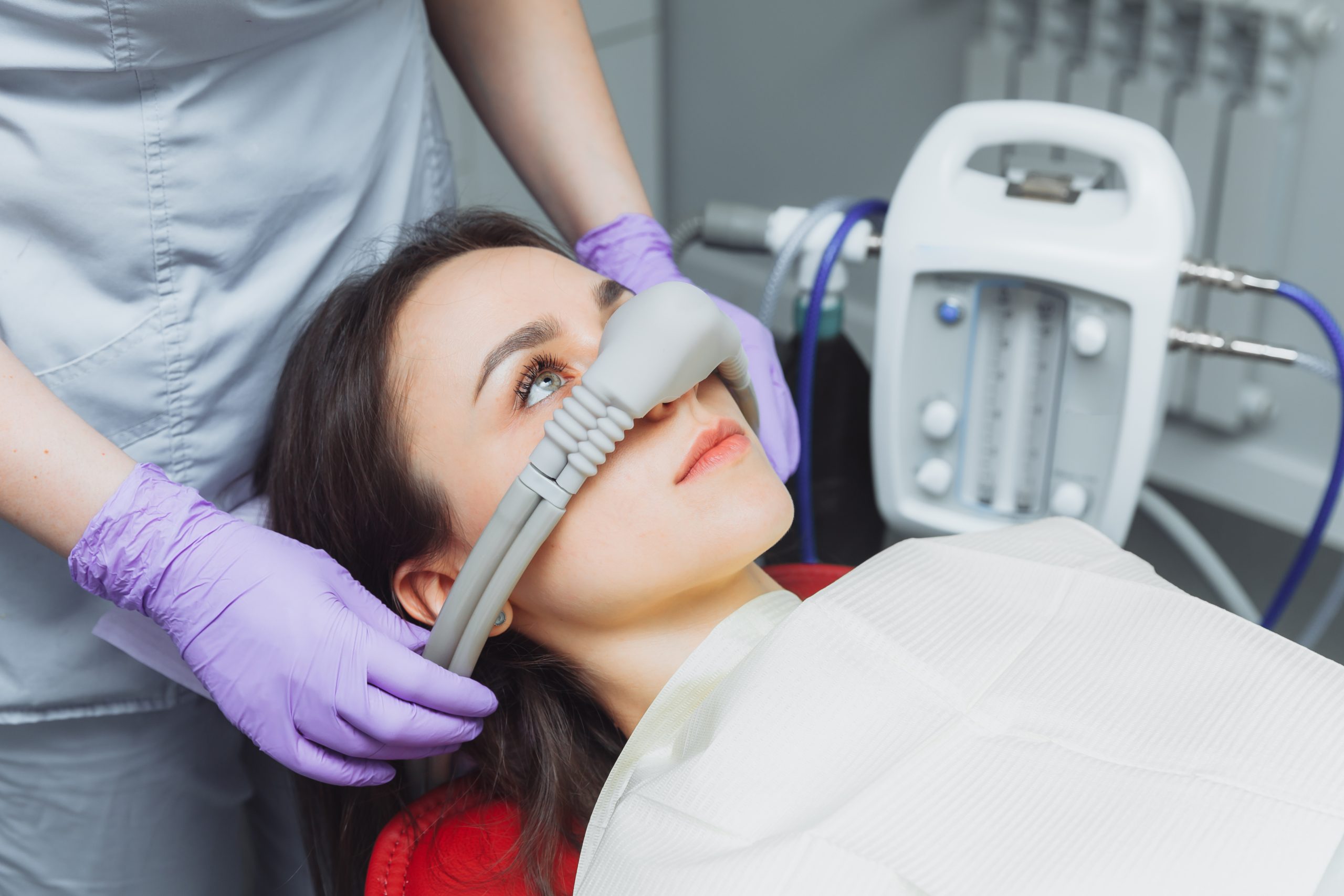
Nitrous oxide, commonly known as laughing gas, is the mildest form. It is inhaled through a small nasal mask and produces a calming effect within minutes. Patients remain fully awake and responsive, and the effects wear off quickly after treatment, often allowing them to resume normal activities shortly afterward.
Oral sedation involves taking a prescribed medication prior to the appointment. Depending on the dosage, it can produce mild relaxation or a deeper state of drowsiness. Some patients may have limited memory of the procedure. Because of its effects, transportation assistance is required for both arrival and departure.
IV sedation delivers medication directly into the bloodstream, resulting in a deeper and more controlled level of sedation. It is commonly used for longer or more complex procedures, as well as for patients with significant anxiety. Continuous monitoring is performed throughout the appointment to track vital signs and comfort levels.
Patients often begin researching What is sedation dentistry? when exploring options that make dental care more manageable, especially for procedures that may otherwise feel overwhelming.
Who Benefits from Sedation Dentistry?
Sedation dentistry in Baton Rouge, LA, is suitable for a wide range of patients and is not limited to those with severe dental phobia. Many individuals who experience mild to moderate anxiety find it helpful in creating a more comfortable treatment experience.
Common candidates include patients with dental anxiety, individuals with prior traumatic dental experiences, those with a strong gag reflex that interferes with treatment, and patients requiring multiple or lengthy procedures in a single visit. It is also frequently considered for individuals with certain physical or cognitive conditions that make it difficult to remain still for extended periods.
Ready to Experience Comfortable Dental Care?
At Grand Family Dentistry, we understand that dental anxiety can make it difficult to seek the care you need. Our team takes a patient-focused approach to help you feel informed, supported, and comfortable throughout your visit.
If you have been considering treatment but feel uncertain about discomfort or anxiety, sedation dentistry may be an option worth discussing with us.
Sedation Dentistry FAQs
Q: Is sedation dentistry safe?
When administered by a trained dental professional with a thorough review of your health history, sedation dentistry has a strong safety record. Your dentist will go over any contraindications with you beforehand and monitor your vital signs throughout the procedure.
Q: Will I be completely unconscious during sedation dentistry?
That depends on the type used. Most dental sedation keeps you conscious but deeply relaxed. General anesthesia, which produces full unconsciousness, is typically reserved for complex surgical cases or specific medical situations. Your dentist will discuss what level of sedation is appropriate for your procedure.
Q: How do I know if I qualify for sedation?
A consultation with your dentist is the best way to determine this. We look at your medical history, the nature of the procedure, and the reasons you are interested in sedation before making a recommendation. Most healthy adults who experience dental anxiety are good candidates for at least one form of sedation.