

Quick Summary
TMJ disorders affect the joints and muscles connecting your jaw to your skull, often causing pain while chewing, clicking sounds, and stiffness that can radiate into the face and neck. These disorders can develop from injury, teeth grinding, arthritis, or stress-related jaw clenching, with symptoms ranging from mild discomfort to significant difficulty opening the mouth. Most cases respond well to conservative treatments such as night guards and lifestyle adjustments, though a dentist can help identify the underlying cause and recommend the most appropriate treatment for lasting relief.
Jaw pain, clicking sounds, or difficulty opening your mouth fully can all point toward a TMJ treatment need, even if the discomfort seems to come and go. The temporomandibular joints connect your lower jaw to your skull, and when something disrupts how these joints and the surrounding muscles work together, it can lead to a temporomandibular disorder, commonly referred to as TMJ or TMD.
At Grand Family Dentistry, we help Baton Rouge patients understand what is causing their symptoms and explore treatment options that provide real, lasting relief.
Common Symptoms of TMJ Disorders
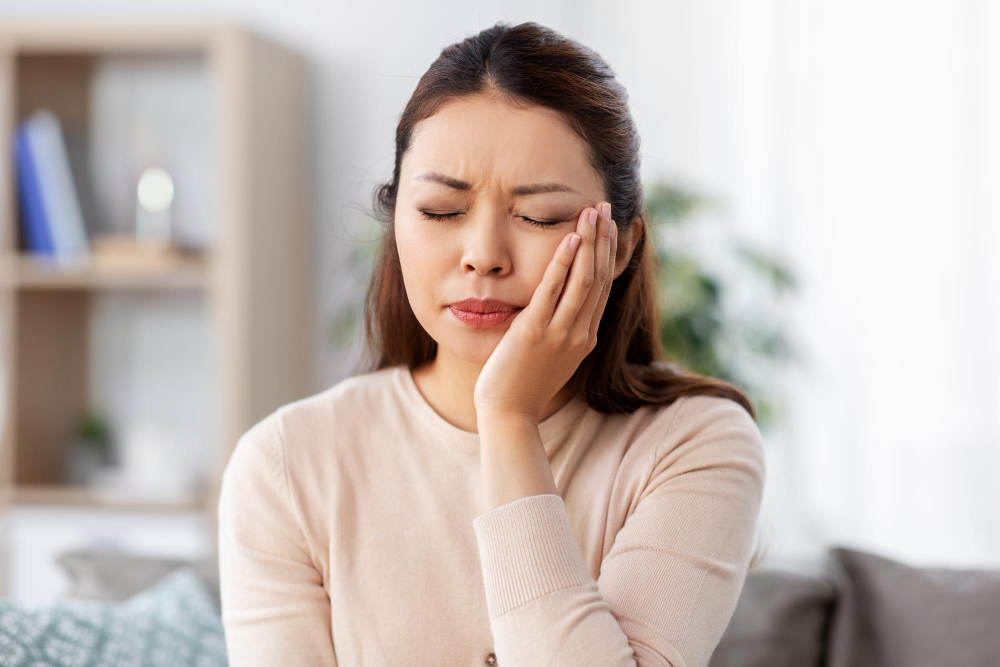
TMJ disorders can present in a variety of ways, and symptoms are not always limited to the jaw itself. According to the National Institute of Dental and Craniofacial Research, common symptoms include pain in the jaw joint or chewing muscles, clicking or popping sounds when opening or closing the mouth, jaw stiffness, and a limited range of motion.
Some patients also experience radiating pain in the face, neck, or shoulders, along with headaches that seem to originate near the temples or jaw. It is worth noting that clicking or popping without pain is actually common and generally does not require treatment on its own.
What Causes TMJ Disorders?
The exact cause of a TMJ disorder is not always clear, and researchers continue to study why certain individuals develop these conditions while others do not. Known contributing factors include jaw injury, arthritis affecting the joint, and habits like teeth grinding or clenching, particularly during sleep.
Interestingly, current research does not support the once common belief that a misaligned bite or orthodontic treatment such as braces causes TMJ disorders.
TMJ disorders are also twice as common in women as in men, especially between the ages of thirty five and forty four, though the reasons behind this difference are still being investigated.
How TMJ Disorders Are Diagnosed
There is currently no single standard test used to diagnose TMJ disorders, which can make identifying the condition more complex than diagnosing other dental issues. When you visit our office for jaw pain, we examine your jaw joints and muscles for tenderness, listen for clicking or popping, and ask detailed questions about your symptoms and medical history. In some cases, imaging such as an X-ray or CT scan may be recommended to get a clearer picture of the joint.
If you are searching for “TMJ dentist near me” because your symptoms have been ongoing, a thorough evaluation is the appropriate first step.
Conservative Treatment Options
Most TMJ disorders respond well to conservative, reversible treatments that do not involve surgery or permanent changes to the jaw or teeth. These approaches often include eating softer foods, avoiding excessive gum chewing, applying heat or ice packs to relieve muscle tension, and practicing relaxation techniques to reduce jaw clenching caused by stress.
A custom-fitted night guard for TMJ in Baton Rouge is one of the most common and effective treatments we recommend, since it reduces the pressure placed on the jaw joint during sleep, when many patients unknowingly grind or clench their teeth.
Living With TMJ Symptoms Day to Day
Beyond formal treatment, small daily habits can make a meaningful difference in managing TMJ discomfort. Being mindful of posture, particularly when looking down at a phone or computer for long periods, can reduce strain on the jaw and neck muscles.
Avoiding habits like nail biting, chewing on pens, or resting your chin on your hand also helps prevent unnecessary stress on the joint. Patients who combine these small adjustments with professional guidance from our team often notice steady improvement over just a few weeks.
Finding Relief With Grand Family Dentistry
If jaw pain has been affecting your ability to eat, speak, or simply feel comfortable throughout the day, Grand Family Dentistry is here to help. As a TMJ specialist in Baton Rouge, LA, our team takes the time to understand your specific symptoms and history before recommending a treatment plan tailored to your needs.
We believe in starting with conservative, comfortable solutions whenever possible, and we will walk you through every step of the process so you always know what to expect.
The Link Between Teeth Grinding and TMJ Pain
Bruxism, the clinical term for teeth grinding or clenching, is one of the most common contributors to TMJ discomfort, and many patients are unaware they grind their teeth because it happens primarily during sleep.
Over time, this repeated pressure strains the jaw joint and surrounding muscles, leading to morning headaches, jaw soreness, and worn tooth enamel. Partners or family members sometimes notice the grinding sounds before the patient does.
If you wake up with a sore jaw or notice flattened areas on your teeth, mentioning this to your dentist can help identify whether bruxism is contributing to your TMJ symptoms.
The Role of Stress Management in TMJ Treatment
Because stress is such a common trigger for jaw clenching, addressing it directly often plays an important role in managing TMJ symptoms long-term.
Simple techniques such as deep breathing exercises, taking short breaks throughout the day to consciously relax your jaw, and practicing good sleep hygiene can meaningfully reduce clenching episodes.
Some patients also find that gentle jaw stretches, recommended by their dentist or a physical therapist, help release tension that builds up in the surrounding muscles throughout the day.
What to Expect at Your First TMJ Appointment
If you have not yet been evaluated for TMJ symptoms, knowing what to expect can make scheduling that first appointment feel less intimidating. Your dentist will ask detailed questions about when your symptoms started, what makes them better or worse, and whether you have noticed any grinding or clenching habits.
A physical examination of your jaw’s range of motion, along with gentle palpation of the jaw muscles, helps identify areas of tenderness. In many cases, this initial evaluation alone provides enough information to begin a conservative treatment plan right away.
Exercises That May Help Relieve Jaw Tension
Gentle jaw stretches and exercises, often recommended alongside other TMJ treatments, can help improve mobility and reduce muscle tension around the joint. A common example involves slowly opening and closing the mouth in a controlled, relaxed motion while keeping the jaw aligned, repeated several times a day.
Side-to-side jaw movements, performed gently and without forcing the range of motion, can also help loosen tight muscles. Your dentist or a referred physical therapist can demonstrate these exercises properly and adjust them based on your specific symptoms, since overdoing certain stretches can sometimes aggravate rather than relieve discomfort.
How Night Guards Are Custom Fitted
A custom night guard differs significantly from generic, over-the-counter options found at most pharmacies. During your visit, we take a precise impression of your teeth, which is used to fabricate a night guard specifically molded to fit your bite.
This custom fit distributes pressure more evenly across the teeth and jaw compared to a generic guard, offering better protection and comfort throughout the night.
Most patients adjust to wearing a night guard wit-hin the first week or two, and many report noticeably less morning jaw soreness once they become consistent with nightly use.
How TMJ Treatment Fits Into Your Overall Dental Care
TMJ treatment does not exist in isolation from the rest of your oral health, and your dentist will typically consider how your bite, tooth wear, and jaw function relate to one another during treatment planning.
For example, if teeth grinding is contributing to your TMJ symptoms, addressing worn or damaged teeth alongside the jaw itself often produces better, more lasting results than treating either issue on its own.
This is one reason why working with a dental team familiar with your full oral health history can make a meaningful difference in how effectively your symptoms are managed, both now and as part of your ongoing preventive care.
Supporting Your Jaw Health for the Long Run
Managing a TMJ disorder is often an ongoing process rather than a single fix, and staying attentive to your symptoms over time helps prevent setbacks. Keeping a simple log of when your jaw pain flares up, along with any patterns you notice, such as increased stress or poor sleep, can provide useful information for your dentist to refine your treatment plan.
Many patients find that their symptoms improve significantly within a few months of consistent treatment, though staying mindful of the habits that contributed to the disorder in the first place helps maintain that improvement well into the future.
Get relief from persistent jaw pain or clicking with personalized TMJ care. Contact Grand Family Dentistry today to schedule a TMJ evaluation and discuss your treatment options.
Frequently Asked Questions
Is jaw clicking always a sign of a TMJ disorder?
Not necessarily. Clicking or popping sounds without accompanying pain are common and typically do not require treatment. However, clicking combined with pain or limited jaw movement should be evaluated by a dentist.
Can stress cause TMJ symptoms?
Yes. Stress often leads to unconscious jaw clenching or teeth grinding, particularly during sleep, which can strain the jaw joint and surrounding muscles over time.
How long does it take for a night guard to help with TMJ symptoms?
Many patients notice improvement within a few weeks of consistent use, though the exact timeline varies depending on the severity of symptoms and how consistently the night guard is worn.