

Quick Summary
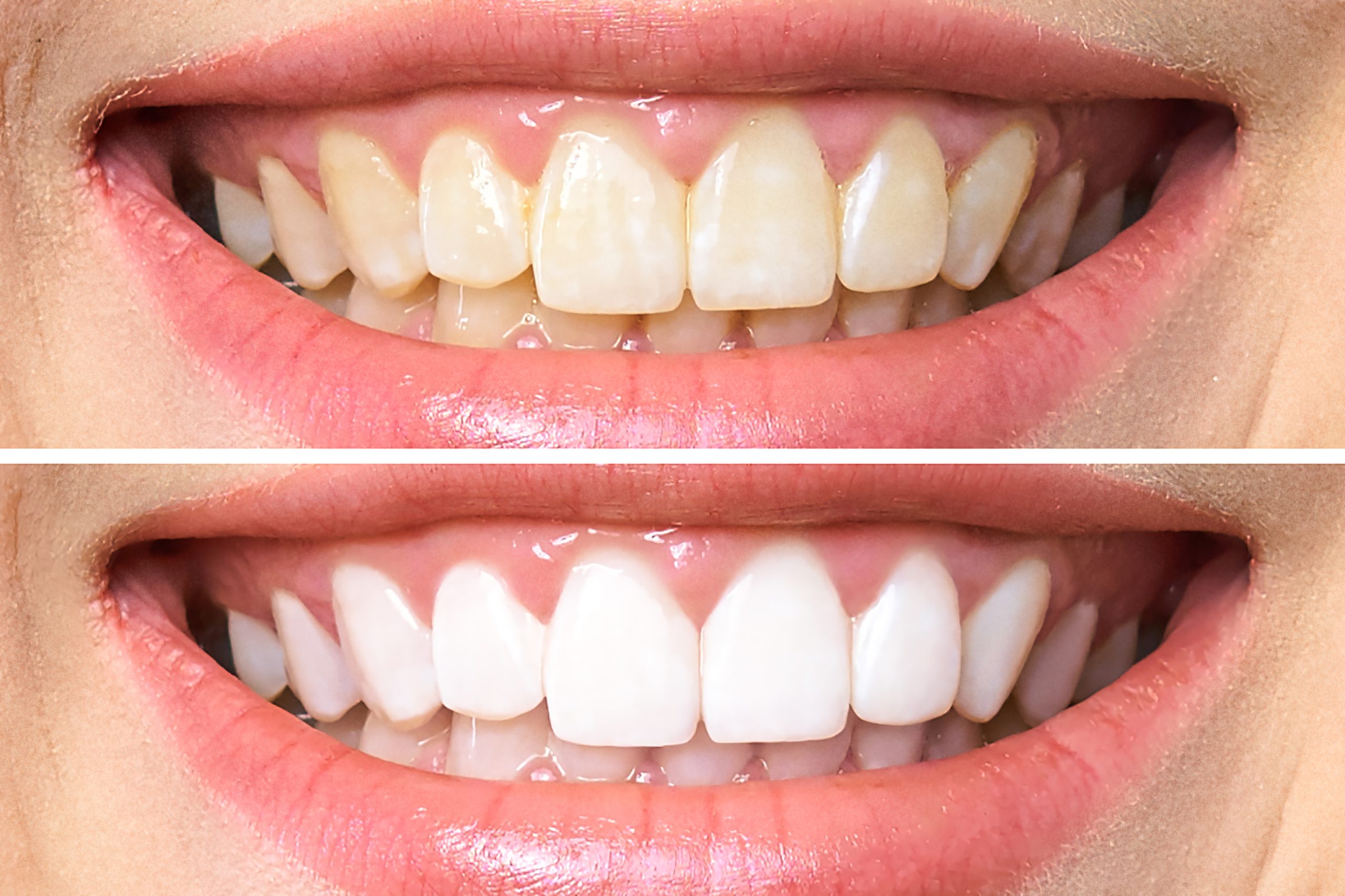
Teeth whitening is a widely performed cosmetic dental treatment. Starting without a clear understanding can lead to unrealistic expectations or unnecessary discomfort. This article explains how teeth whitening works, compares over-the-counter and professional options, outlines candidacy, describes the treatment process, and reviews how to maintain results over the long term.
Thinking about brightening your smile? You are not alone. Teeth whitening is consistently one of the most requested services in cosmetic dental care, and it is easy to understand why.
Many patients pursue teeth whitening before important events or simply to feel more comfortable with their appearance. A clear understanding of the process helps set realistic expectations and supports better decision-making.
How Teeth Whitening Actually Works
Tooth discoloration develops for several reasons. Common contributors include coffee, tea, wine, tobacco, and certain foods that leave pigmented residue on the enamel surface over time.
Natural aging also affects tooth color, as enamel gradually thins and reveals the darker dentin beneath. In some cases, medications or fluoride exposure during early development can lead to intrinsic staining within the tooth structure.
Most teeth whitening treatments rely on peroxide-based agents, typically hydrogen peroxide or carbamide peroxide. These compounds penetrate the enamel and break down stain molecules through an oxidation process. The effectiveness of treatment depends primarily on the concentration of the active ingredient and the duration of contact with the tooth surface.
Over-the-Counter vs. Professional Whitening
Retail products such as whitening strips, toothpastes, trays, and pens are widely available and contain lower concentrations of active ingredients. These options can produce gradual improvement for mild staining, though results are often limited and may take longer to appear.
Professional teeth whitening in Baton Rouge, LA, involves higher-strength formulations applied under the supervision of a dental professional. This approach leads to more noticeable and consistent results within a shorter time frame.
In-office treatments at Grand Family Dentistry include protective measures for the gums and surrounding tissue, which help reduce the risk of irritation while maintaining treatment effectiveness.
Who Is a Good Candidate for Teeth Whitening?
Not all patients experience the same outcome, and candidacy depends on the type and cause of discoloration.
Teeth whitening is most effective for extrinsic stains related to food, beverages, or tobacco use. Patients with this type of staining often see a meaningful improvement, particularly when the discoloration has developed gradually over time rather than from a single underlying condition.
Intrinsic discoloration caused by medications, trauma, or developmental conditions may respond less predictably. In these cases, whitening can still produce some improvement, but the results are often more limited and may require alternative or complementary cosmetic treatments for a more uniform appearance.
Dental restorations such as crowns, veneers, and tooth-colored fillings do not change color with whitening agents, which is an important consideration when planning treatment.
Any visible restorations should be evaluated in advance to prevent uneven results. A dentist may recommend replacing or adjusting restorations after whitening to achieve a more consistent shade across the smile. Patients with untreated gum disease, active decay, or significant enamel wear should address those conditions before beginning treatment, as whitening can increase sensitivity and may aggravate existing issues.
What to Expect During Treatment
A professional whitening appointment typically begins with a cleaning to remove surface debris that may interfere with the bleaching process.
Protective barriers are then applied to shield the gums and lips before the whitening gel is placed on the teeth. Some systems incorporate a light or laser to enhance the reaction, while others rely on the chemical process alone.
Most in-office treatments require approximately 60 to 90 minutes. For at-home professional systems, custom trays are fabricated to fit your teeth precisely. These trays are worn for a prescribed period each day, over one to two weeks. Your dentist will outline the process clearly and discuss the expected level of improvement based on your starting shade.
Sensitivity During and After Whitening
Tooth sensitivity is a common side effect associated with whitening treatments. It is often described as a brief, sharp sensation triggered by temperature changes, air exposure, or pressure. In most cases, this sensitivity is temporary and resolves within a short period after treatment concludes.
Using toothpaste designed for sensitive teeth before and after whitening can help reduce discomfort. Patients with a history of sensitivity should inform their dental provider in advance. Adjustments to treatment concentration or duration can improve comfort while still achieving effective results.
Making Your Results Last
Teeth whitening results are not permanent, and their longevity depends largely on daily habits and oral hygiene. Results may last from several months to a few years. Reducing the intake of staining substances such as coffee, tea, and red wine can significantly extend the brightness of your smile.
Rinsing with water after consuming staining beverages helps limit their contact with enamel. Consistent brushing, flossing, and regular dental cleanings also contribute to maintaining results over time. Patients who follow these practices tend to retain their whitening results for a longer period.
If you are ready to learn more about what whitening can do for your smile, reach out to our team to schedule a consultation. We will take a look at where you are starting from and help you understand what kind of results are realistic for you.
FAQs About Teeth Whitening
Q: Does teeth whitening damage enamel?
When used appropriately, peroxide-based whitening treatments are considered safe for enamel. Clinical research has not demonstrated permanent damage when treatments are applied at appropriate concentrations and durations. Professional guidance helps maintain safe and effective use.
Q: How white will my teeth actually get?
Results vary depending on the initial shade of your teeth and the type of staining present. Many patients experience a noticeable improvement of several shades following professional treatment. A consultation typically includes shade comparisons to help set realistic expectations.
Q: Can I whiten my teeth if I have fillings or crowns?
Whitening agents affect natural enamel only. Restorations such as fillings, crowns, and veneers will not change color during treatment. A dental evaluation before whitening helps determine how to achieve a balanced and natural-looking result.