

Quick Summary
Dental bonding and fillings often use similar tooth-colored materials, which is why the treatments are frequently confused, but they serve different purposes. Bonding addresses cosmetic concerns such as chips, gaps or discoloration on teeth that are otherwise healthy. Fillings restore teeth damaged by decay and are considered necessary treatment rather than elective care. The right option depends on what a dental examination reveals, since decay is not always visible from the surface. Both treatments require good oral hygiene, routine dental visits and reasonable care to maintain their appearance, strength and function over time.
Two very different dental problems can sometimes look similar on the surface, which is exactly why so many patients end up confused between dental bonding vs. filling when they notice a chip, gap, or discoloration on a tooth. Both treatments use a similar tooth-colored material, but they are used for different reasons, and understanding that difference helps you know what to expect before your appointment.
This blog explains what separates these two treatments, when each one is the right choice, and how to know which applies to your specific situation.
What Is Dental Bonding?
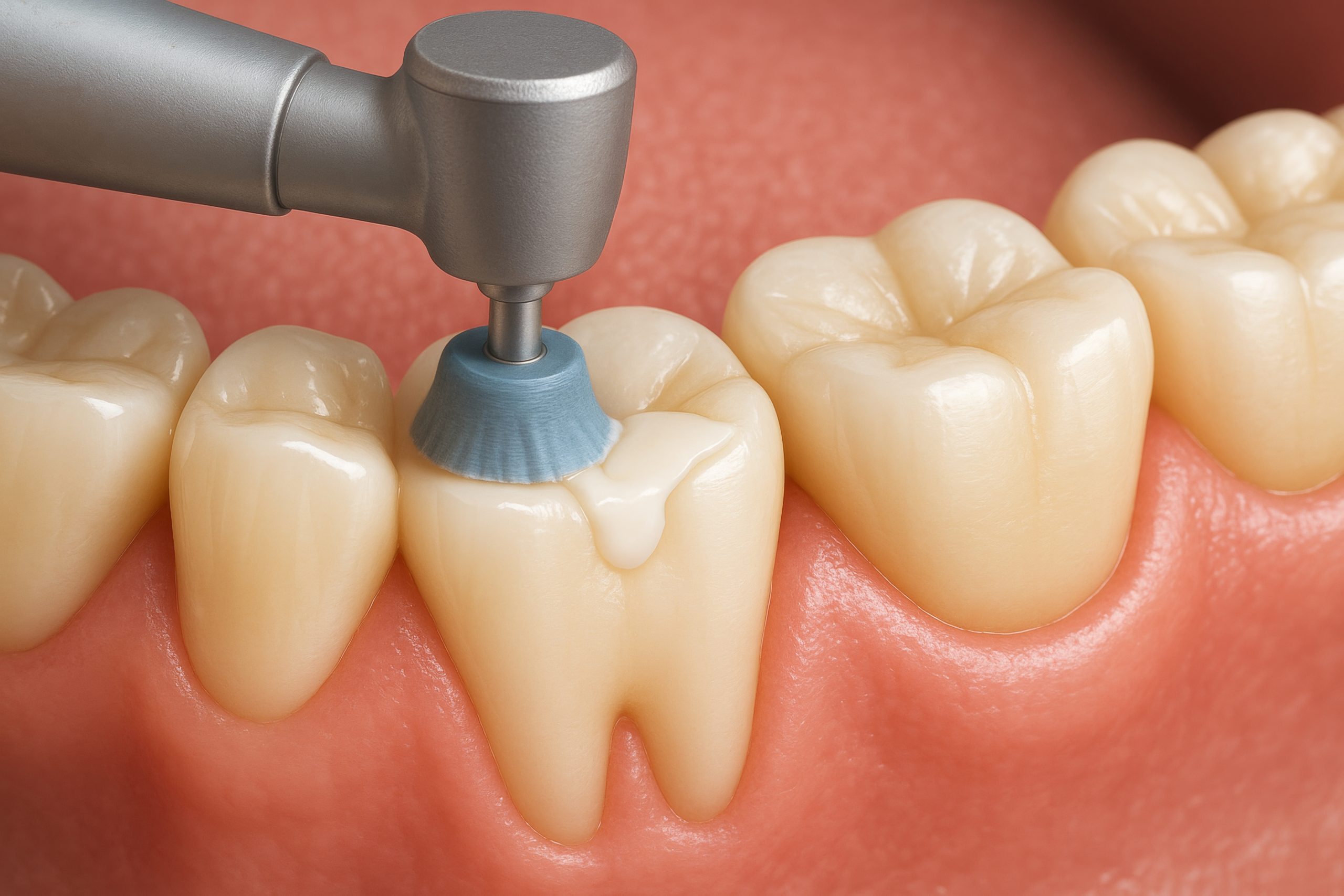
Dental bonding is a common cosmetic dentistry in Baton Rouge LA treatment used to improve the appearance of teeth that are otherwise healthy. It involves applying a tooth-colored composite resin to correct concerns such as chips, small gaps, discoloration, uneven edges, or minor shape irregularities. The material is carefully sculpted and polished to blend naturally with the surrounding teeth, and the procedure is typically completed in a single visit.
As dental bonding is designed to enhance appearance rather than treat significant structural damage, it usually requires little to no removal of healthy tooth enamel.
What Is a Dental Filling?
A filling exists for a fundamentally different reason. Fillings restore teeth that have been damaged by decay, meaning your dentist has removed a cavity and needs to fill the resulting space to restore both function and structural integrity. Composite dental fillings use a similar tooth-colored material to bonding, which is part of why the two procedures are so often confused.
The key distinction is purpose. A filling addresses an active health issue, decay, while bonding addresses a cosmetic concern on a tooth that does not have decay to begin with.
Is Dental Bonding the Same as a Filling?
Is dental bonding the same as a filling? Materially, they can be similar, since both often use composite resin. Functionally, they are not the same procedure at all. Bonding is elective and cosmetic. Fillings are necessary and restorative, addressing a health issue that will worsen if left untreated.
This distinction also affects how insurance treats each procedure, since fillings are generally considered medically necessary while bonding for purely cosmetic reasons often is not.
When Bonding Is the Right Choice
Bonding makes sense when a tooth is structurally sound but has a cosmetic flaw you want addressed. This includes small chips from an accident, minor gaps between teeth, or areas of discoloration that do not respond to whitening. Because the procedure does not involve extensive removal of tooth structure, it tends to be a quicker, less invasive option for improving appearance.
When a Filling Is the Right Choice
A filling becomes necessary the moment decay has compromised part of a tooth. Left untreated, that decay continues to spread, eventually requiring more extensive treatment like a root canal treatment or even extraction in severe cases. Regular checkups help catch cavities early enough that a straightforward filling resolves the issue before it progresses further.
Unlike bonding, a filling is not optional once decay is present. It is a necessary step to protect the health and function of the affected tooth.
Longevity and Maintenance Considerations
Both bonding and fillings require reasonable care to last as long as possible. Avoiding excessive pressure from habits like nail-biting or chewing ice helps protect bonded teeth, since the resin, while durable, is not as strong as natural enamel. Fillings similarly benefit from consistent oral hygiene and regular checkups to ensure the surrounding tooth structure remains healthy.
Neither treatment is meant to be permanent in the sense of lasting an entire lifetime without any maintenance, so understanding realistic expectations helps you plan for eventual touch-ups or replacement down the road.
How Grand Family Dentistry Helps You Choose
At Grand Family Dentistry, we evaluate the actual condition of your tooth before recommending bonding or a filling, rather than assuming based on how the tooth appears. Every recommendation is based on an exam and, if needed, X-rays actually reveal, ensuring you receive the treatment your tooth genuinely needs.
We also take the time to explain our reasoning so you understand exactly why one treatment applies over the other in your specific case.
Getting the Right Treatment for Your Tooth
Bonding and fillings solve different problems, and the right choice depends entirely on what is happening beneath the surface of your tooth. If you are dealing with a chip, gap, or suspected cavity, schedule an evaluation with our team and we will determine the right path forward together.
FAQs
Can bonding be used to fix a cavity?
No. Bonding addresses cosmetic concerns on healthy teeth, while cavities require a filling to restore both health and function.
How long does dental bonding typically last?
With reasonable care, bonding can last several years, though it may eventually need touch-ups depending on wear and habits like teeth grinding.
Does a filling change the appearance of my tooth?
Composite fillings are tooth-colored and blend in naturally, though their primary purpose is restoring function rather than improving appearance.