

Quick Summary
Dentists can play a supporting role in sleep apnea care by fitting custom oral appliances that keep the airway open during sleep, working alongside a physician’s diagnosis and sleep study. These appliances reposition the jaw or tongue to reduce airway blockage, offering a smaller and quieter option compared to a CPAP machine for many patients. Combined with lifestyle changes and regular dental checkups, this approach gives Baton Rouge patients another path toward better rest and improved daily energy.
Can a dentist treat sleep apnea? Many people who struggle with loud snoring, daytime fatigue, or restless nights turn to their dentist first because dental visits happen more often than sleep specialist appointments. While a dentist cannot diagnose sleep apnea on their own, they can spot warning signs during a routine exam and offer treatment support once a sleep study confirms the condition.
At Grand Family Dentistry, our team provides sleep apnea treatments in Baton Rouge, LA for patients who want a comfortable, practical option for managing their symptoms.
What Sleep Apnea Looks Like
Sleep apnea happens when breathing repeatedly stops and starts during sleep, often because the airway becomes blocked by soft tissue in the throat or because the tongue falls backward during rest. These pauses can happen dozens of times an hour without the sleeper ever fully waking up, though the body is pulled out of deep sleep each time it struggles to breathe.
Over time, this cycle can leave a person feeling exhausted regardless of how many hours they spend in bed. Common symptoms include loud, persistent snoring, gasping or choking sounds during sleep, morning headaches, a dry mouth upon waking, and difficulty concentrating during the day.
How Dentists Support Sleep Apnea Treatment
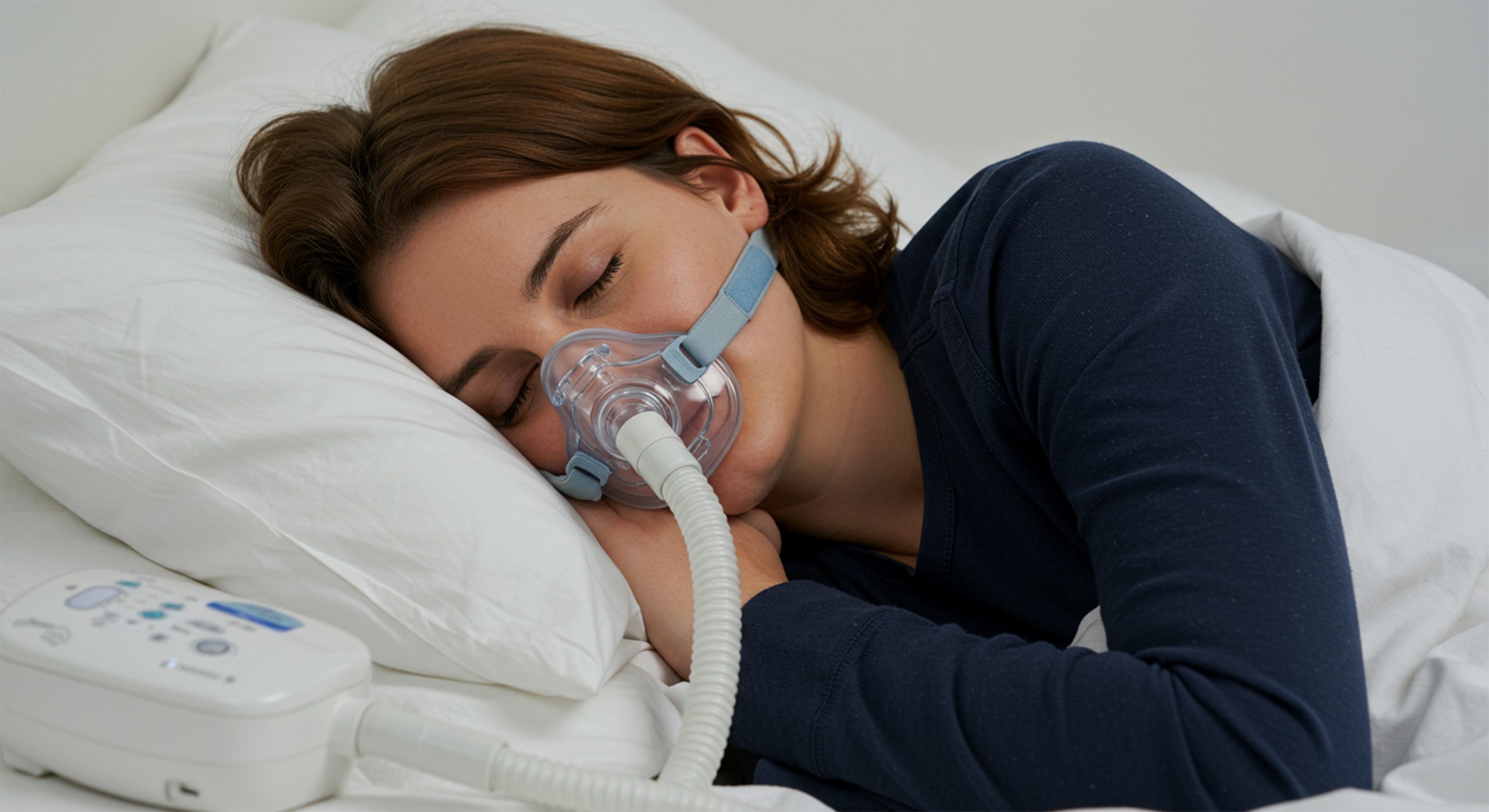
A physician or sleep specialist typically handles diagnosis through an overnight sleep study, either in a lab or at home with a portable monitoring device. Once a patient has a confirmed diagnosis, a dentist can step in to help manage mild to moderate cases, or to offer an alternative for people who find a CPAP machine hard to tolerate night after night.
Dentists trained in sleep medicine create custom-fitted oral appliances, sometimes called mandibular advancement devices. These small devices fit over the teeth like a mouth guard and gently hold the jaw in a forward position. This keeps the airway more open throughout the night, which can reduce snoring and breathing interruptions for many wearers. Unlike a one-size-fits-all mouth guard from a pharmacy shelf, a dental appliance is built from impressions or digital scans of your own teeth, so the fit is precise and comfortable enough to wear for hours at a time.
Signs Your Dentist Might Notice
During a routine cleaning or exam, your dentist may notice physical clues linked to sleep-disordered breathing, including:
- A small or recessed jaw
- Worn tooth enamel from grinding
- A large tongue or narrow airway
- Dry mouth or a scalloped tongue edge
- Redness or inflammation at the back of the throat
None of these signs confirm sleep apnea on their own. They simply give your dental team a reason to ask about your sleep habits and suggest a conversation with your physician about a formal evaluation. Because dental visits happen twice a year for most families, dentists are often in a good position to catch these patterns early, sometimes before a patient has connected their tiredness to a sleep problem at all.
Oral Appliance Therapy: What to Expect
If you are diagnosed with mild to moderate obstructive sleep apnea, or if you have tried CPAP therapy and found it uncomfortable, oral appliance therapy is worth exploring. The process usually starts with impressions or digital scans of your teeth, which are used to custom-build a device that fits your mouth. Our team then adjusts the fit over a series of visits to find the right jaw position for comfort and effectiveness, checking in on how you are sleeping and how the device feels along the way.
Many patients appreciate that oral appliances are quiet, portable, and easy to travel with, since there is no mask, hose, or machine involved. They also tend to have a shorter adjustment period compared to CPAP masks and hoses, and many people find them easier to wear consistently because of that simplicity. That said, this type of therapy works best for mild to moderate cases, and your physician will help determine if it is the right fit for your specific situation based on your sleep study results.
Connection to TMJ and Teeth Grinding
Sleep apnea often overlaps with other nighttime habits like teeth grinding, also known as bruxism, and jaw discomfort related to the TMJ. Because the jaw muscles work overtime trying to keep the airway open, many patients with sleep apnea also deal with morning headaches, jaw soreness, or worn-down teeth.
A custom night guard or oral appliance can sometimes address both concerns at once, though your dentist will evaluate your specific symptoms before recommending a treatment path. Patients are often surprised to learn that chronic jaw pain and poor sleep quality can trace back to the same root cause.
Working with Your Physician
Treating sleep apnea works best as a team effort between your dentist and your physician, with each one playing a different part in the process. The physician confirms the diagnosis through a sleep study and monitors your overall health, while the dentist focuses on the appliance itself, fit adjustments, and ongoing oral health during treatment.
If you already use a CPAP machine, your dentist can still check your airway and bite during regular visits, and flag any concerns worth discussing with your sleep specialist. Good communication between both providers tends to produce the best long-term results. Some patients split their care between a sleep physician and a general dentist, while others prefer a dental team that has specific training in sleep-related appliances. Either path can work well, as long as both providers stay informed about your progress and any changes in your symptoms over time.
Why Treating Sleep Apnea Helps Daily Life
Beyond the exhaustion, untreated sleep apnea has been linked to a range of health concerns, including high blood pressure, irritability, and trouble focusing at work or school. Partners often notice the toll it takes too, from interrupted sleep of their own to genuine concern over the gasping and pauses in breathing they witness.
Getting a proper diagnosis and finding a treatment option you can stick with consistently, be it CPAP, an oral appliance, or a combination approach, can make a noticeable difference in how rested and alert you feel day to day. Even small improvements in sleep quality tend to show up in mood, energy, and focus within a few weeks of starting treatment, which is often enough motivation for patients to stay consistent with whichever option they choose.
When to Bring It Up at Your Next Visit
If you snore loudly, wake up gasping, feel tired despite a full night of sleep, or have a partner who has mentioned pauses in your breathing, it is worth mentioning at your next dental appointment. Baton Rouge families often find it easier to bring up sleep concerns during a familiar dental visit rather than scheduling a separate appointment just to ask questions.
Our team can talk through what we observe during your exam and help point you toward the right next step.
Schedule Your Visit with Grand Family Dentistry
At Grand Family Dentistry, we have served Baton Rouge families since 1988 with care that feels personal, not corporate. Our dentists, Dr. William Grand, Dr. Jake Paige, Dr. Luke Baumgartner, and Dr. Diana Huynh, bring decades of combined experience to every visit, and our office offers sedation dentistry alongside general, restorative, and sleep-related dental care under one roof.
We take time to listen to your concerns, explain your options in plain language, and build a plan that fits your life and your budget. If snoring, jaw pain, or restless nights have been wearing you down, our team is ready to talk through your options and help you decide on next steps as part of your broader care plan. Call us at 225-372-7700 or request an appointment online to get started.
Frequently Asked Questions
Can a dentist diagnose sleep apnea?
No. Diagnosis requires a sleep study performed or ordered by a physician or sleep specialist. A dentist can notice warning signs during a routine exam and refer you for evaluation, but the formal diagnosis comes from a medical provider.
How does a dental oral appliance work for sleep apnea?
The device holds your jaw in a slightly forward position while you sleep, which helps keep the airway more open and can reduce snoring and breathing pauses for some patients, especially in mild to moderate cases.
Is an oral appliance better than a CPAP machine?
Neither option is universally better, since each person’s needs are different. CPAP tends to work well for moderate to severe cases, while oral appliances are often considered for mild to moderate cases or for patients who struggle with CPAP comfort. Your physician can help you weigh the options based on your sleep study.
Does dental insurance cover sleep apnea appliances?
Coverage varies by plan and sometimes falls under medical insurance instead of dental, depending on how your provider classifies the treatment. Our front desk team can help you check your specific benefits before treatment begins.
How long does it take to get used to a sleep apnea mouth guard?
Most patients adjust within a few weeks, though some soreness, extra saliva, or mild jaw tightness in the first few nights is common while the mouth adapts to the new device and its positioning.