

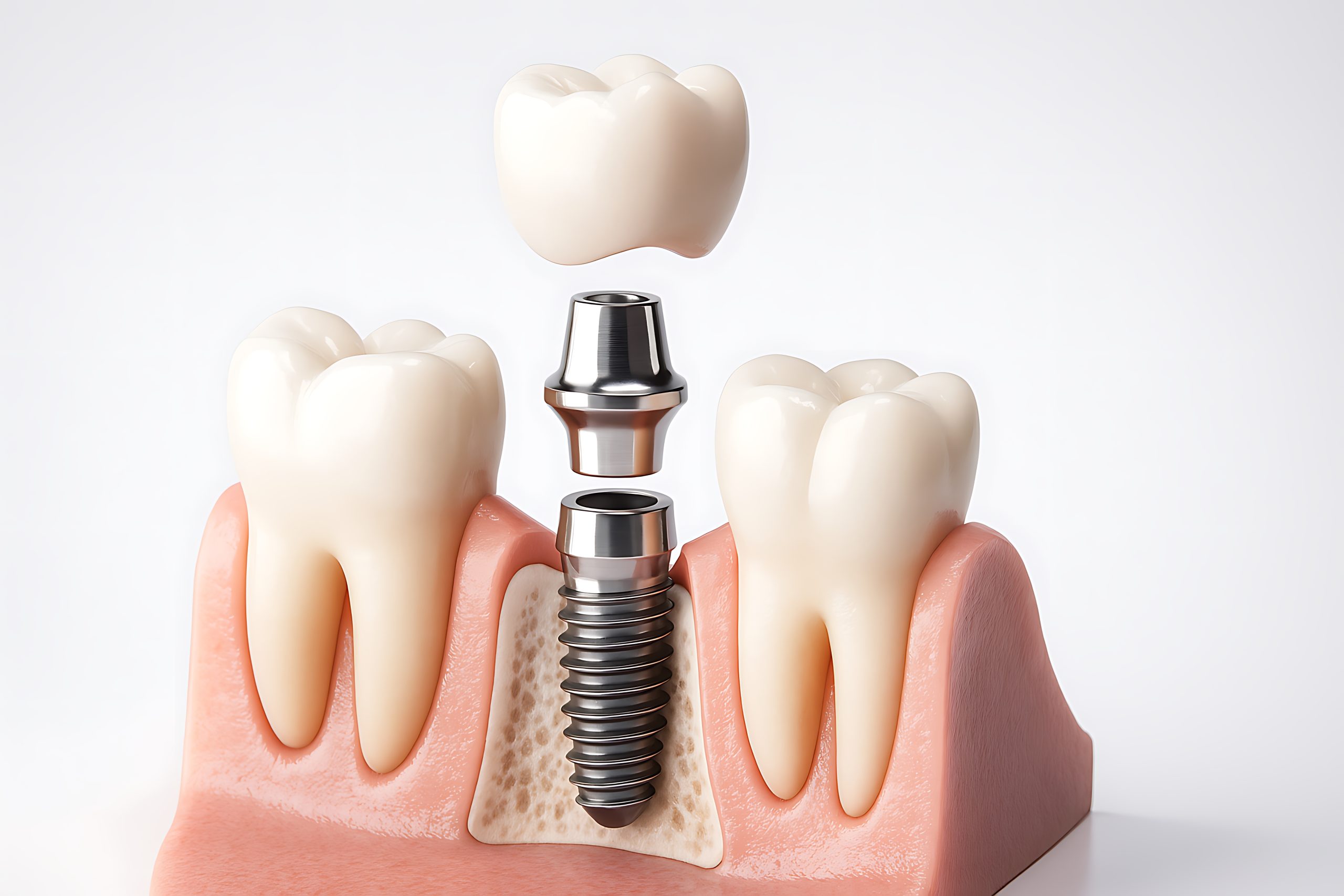
Dental implants are an excellent solution for replacing missing teeth, offering a permanent, functional, and aesthetically pleasing alternative. Different types of dental implants are available depending on how many teeth need replacing and the condition of your jawbone. In this article, we’ll explore the types of dental implants you can choose from and help you determine which one is the best fit for your needs. For more detailed information, check out our page on dental implants in Baton Rouge LA.
What Are Dental Implants?
Dental implants are small-sized titanium posts which are placed into the jawbone to replace the root of a missing tooth. Once your implant is fused with the bone, it serves as a stable foundation for attaching a custom bridge, crown, or denture. Implants are the only tooth replacement option that stimulates the jawbone, helping to maintain bone health and prevent further bone loss.
Unlike bridges or dentures, dental implants don’t rely on adjacent teeth for support, which makes them a more permanent solution. They are designed to look, feel, and function like natural teeth, providing long-lasting benefits for your oral health.
Types of Dental Implants
The right type of dental implant depends on the number of teeth you need replaced and the condition of your oral health. Here are the most common types of tooth implants:
Single Tooth Implants
The most common implant type is the single tooth implant, which is ideal for replacing one missing tooth. This procedure involves placing a titanium post in the jawbone, followed by a custom-made crown that fits the gap perfectly. The crown is designed to match the size, shape, and color of your natural teeth, giving you a seamless result.
Single tooth implants are a great option if you’re missing just one tooth but want a permanent solution. They restore both the function and appearance of your smile without requiring modifications to surrounding teeth.
Implant-Supported Bridges
For multiple missing teeth, implant-supported bridges offer a reliable alternative. Unlike traditional bridges that rely on nearby teeth for support, implant-supported bridges use dental implants to anchor the bridge in place. This eliminates the need to alter healthy teeth and ensures that the replacement teeth are secure and stable.
The process for implant-supported bridges involves placing two or more implants to support the bridge, which fills the gap where multiple teeth are missing. This option is ideal for patients who need several teeth replaced in a row and prefer a more permanent solution than removable dentures.
Implant-Retained Dentures: A Full-Mouth Solution
If you’re missing most or all of your teeth, implant-retained dentures offer a secure, permanent solution that provides the stability of implants with the convenience of dentures. Traditional dentures can slip, click, or shift during everyday activities like eating and speaking, but implant-retained dentures are anchored by multiple dental implants, eliminating those issues.
This system involves placing a series of implants along the jawline to securely attach a full set of dentures. The result is a comfortable, stable fit that allows you to eat, talk, and smile with confidence.
All-On-4 Implants: The Solution for Full Arch Replacement
The All-On-4 dental implant system is designed for patients who are missing most, if not all of their teeth. As opposed to using individual implants for each missing tooth, All-On-4 uses four implants placed strategically to support a whole arch of teeth. This method provides a full set of teeth in a single procedure, with many patients receiving their new smile in just one day.
The All-On-4 system is an ideal solution for patients who have experienced significant tooth loss and want a permanent solution without the need for multiple implants. Additionally, this system can often be placed in patients who have experienced some bone loss, making it a more accessible option for many.
Mini Implants: A Smaller Option for Missing Teeth
For patients with limited bone structure or those who need a more affordable option, mini implants are a viable choice. These implants are smaller in diameter than traditional implants, making them suitable for patients who don’t have enough bone to support regular implants.
Mini implants are often used to stabilize dentures or support small crowns or bridges. They are a less invasive option and are typically placed with minimal surgery, allowing for a quicker recovery and less discomfort.
The Benefits of Dental Implants
Dental implants offer many benefits, including:
- Durability: With proper care, dental implants can last for decades, making them a long-term solution for missing teeth.
- Natural Look and Feel: Implants blend seamlessly with your natural teeth, offering a comfortable and functional replacement.
- Jawbone Health: Unlike bridges or dentures, implants stimulate the jawbone, preventing bone loss and preserving the structure of your face.
- Improved Confidence: With a restored smile, many patients feel more confident in social and professional situations.
- Improved Functionality: Dental implants restore full chewing ability, allowing you to enjoy all your favorite foods without restriction.
Who Is a Good Candidate for Dental Implants?
The ideal candidates for dental implants have healthy gums, enough bone structure to support the implant, and good overall health. However, patients with insufficient bone can often undergo bone grafting to improve their candidacy for implants.
If you have multiple missing teeth or need to replace a full arch, implant-retained dentures or the All-On-4 system may be the right choice. A cosmetic dentist will assess your oral health and determine the best type of implant for your specific needs.
FAQs
How long do dental implants last?
With proper care, dental implants won’t fall out and can last for 10 to 15 years. In some cases, they can last a lifetime.
Are dental implants painful?
The procedure is typically performed under local anesthesia, so you won’t feel pain during the surgery. Afterward, some discomfort and swelling may occur, but it is manageable with over-the-counter pain relievers.
Can dental implants replace all my teeth?
Yes, implant-retained dentures or All-On-4 implants can replace all of your teeth if necessary, providing a full set of secure, permanent teeth.
How long does the dental implant process take?
The entire process typically takes several months, as the implant must fuse with the jawbone. However, options like All-On-4 implants can offer faster results, with a full arch placed in a single day.
Are dental implants covered by insurance?
Dental implants are not always fully covered by insurance, but many plans will offer partial coverage. It’s best to check with your provider to see what is included.
Schedule Your Dental Implant Consultation Today
If you’re considering dental implants to restore your smile, our 5-star rated dentistry team at Grand Family Dentistry is here to guide you through the process. We offer a range of different types of dental implants, including single-tooth implants, implant-supported bridges, and implant-retained dentures, all designed to fit your unique needs.
We believe in providing personalized care, ensuring that you fully understand your options before making a decision. With flexible payment plans, high-quality materials, and a team that truly cares about your comfort, we make it easy to restore your smile and confidence.
Contact us today to schedule your consultation and learn which type of dental implant is best for you!